Food Starch Formulation Guides and Expert Tips
Formulation insights, ingredient comparison studies, and regulatory compliance guides written by Angel Starch application specialists for commercial food processors.
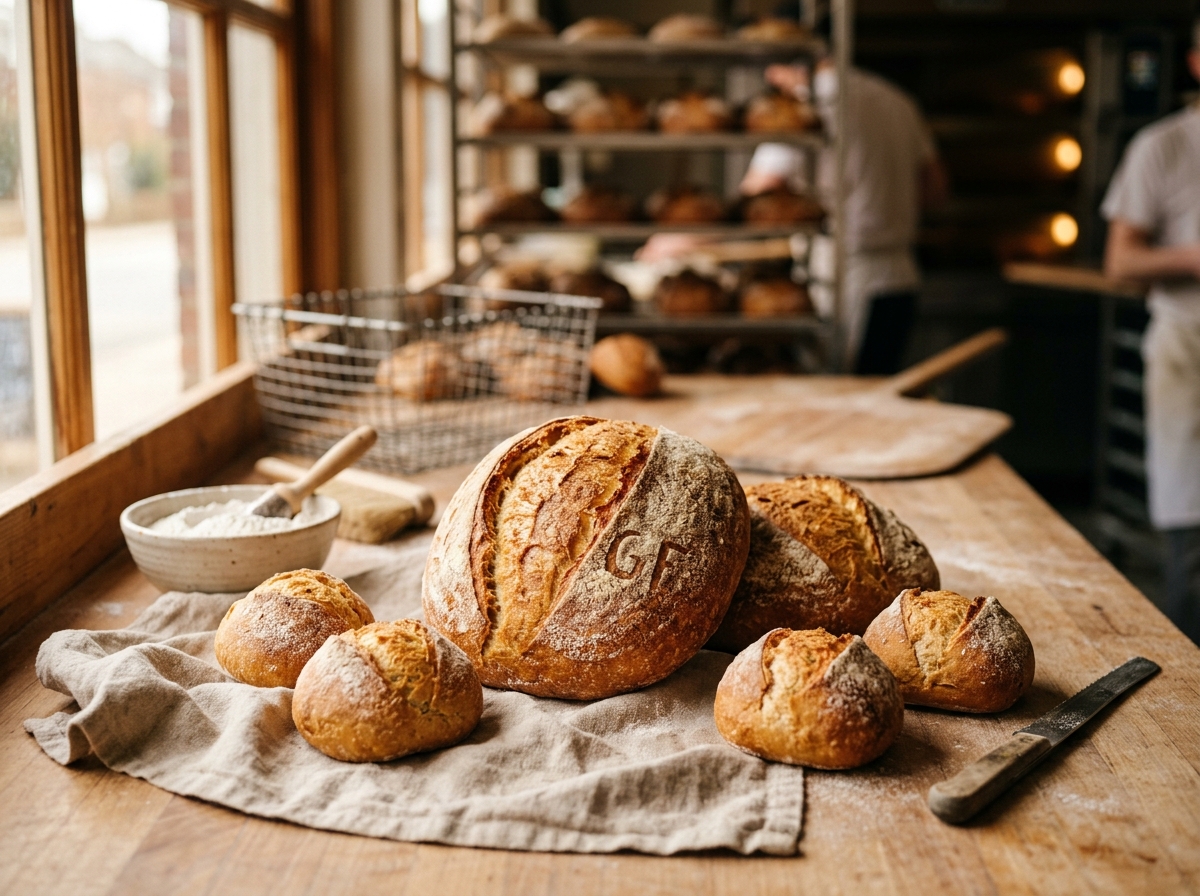
Cassava Flour vs Tapioca Starch: Picking the Right One for Gluten-Free Baking
Cassava flour and tapioca starch come from the same root but behave very differently. How to use cassava flour vs tapioca starch in gluten-free baking without gummy results.
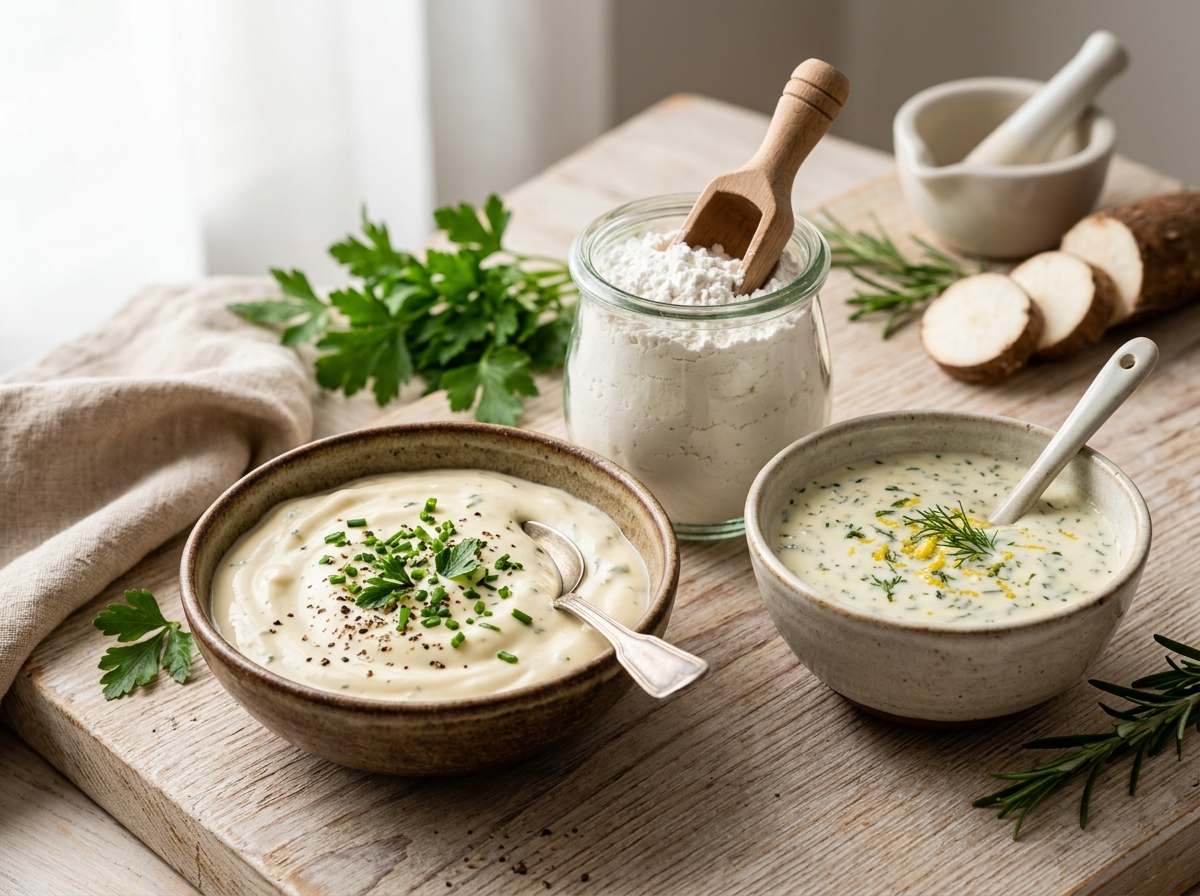
Starch for Sauces and Gravies: How to Choose the Right Food Starch
Viscosity, freeze-thaw stability, and acid tolerance decide which starch for sauces and gravies performs best in commercial food processing.
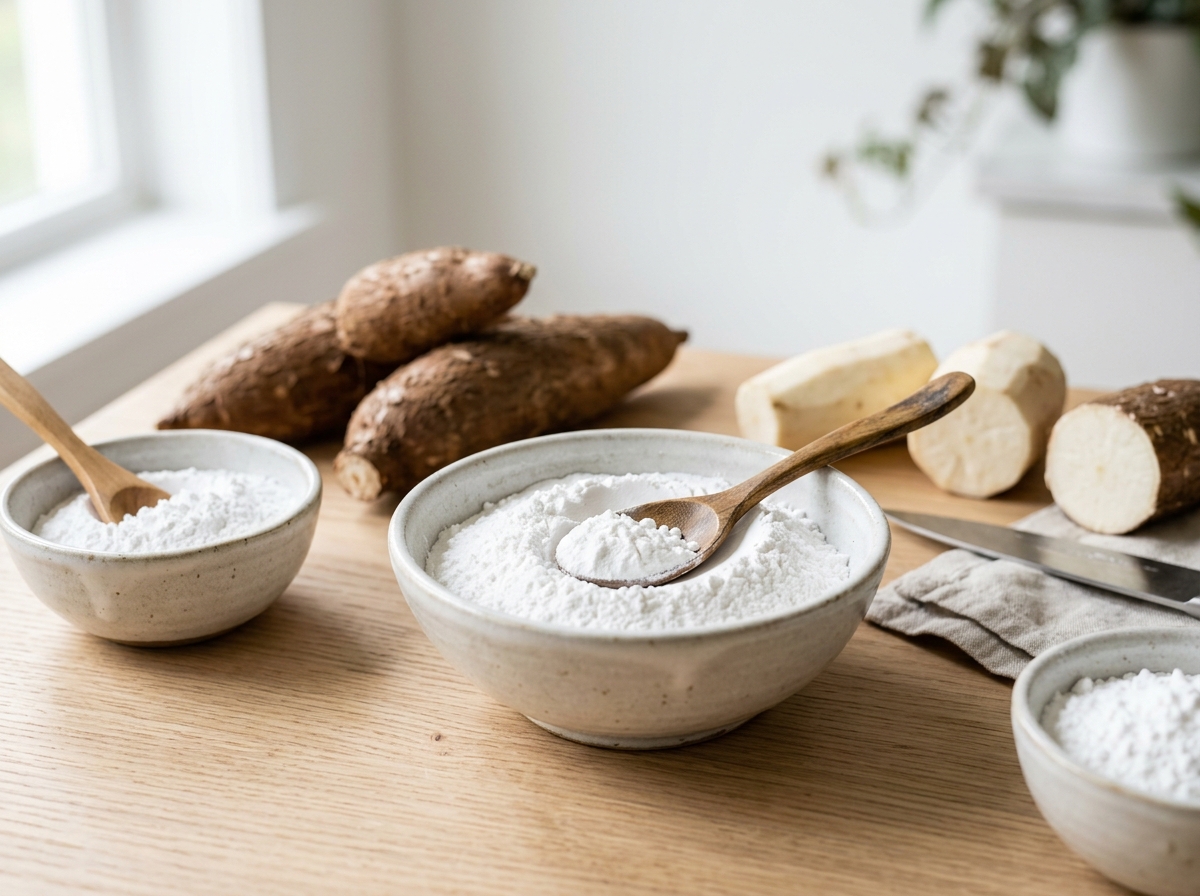
What Is Modified Food Starch? Native vs Modified vs Clean-Label Starch Guide
What is modified food starch, is it gluten-free, and when should formulators choose a clean-label alternative to modified starch? A complete R&D comparison.
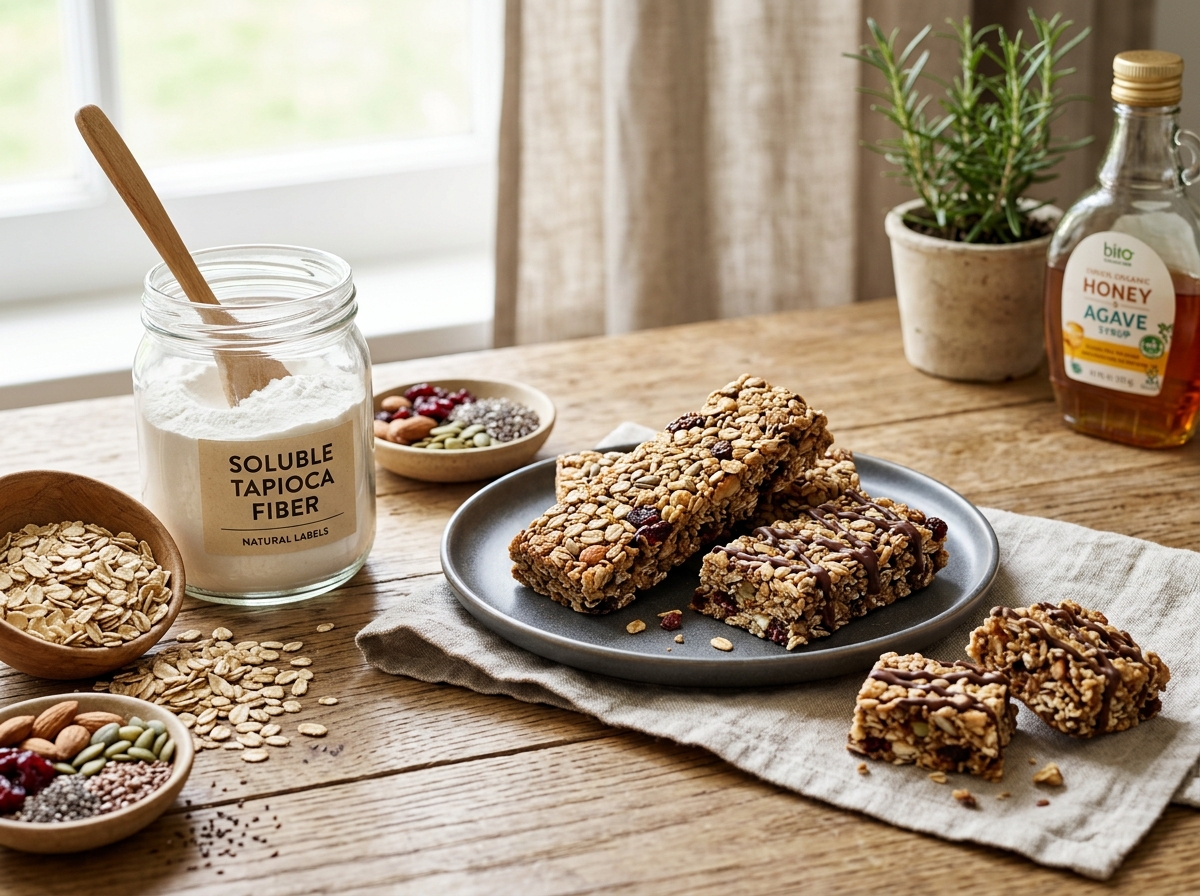
Gluten-Free Baking Starch: Tapioca Starch in Bakery Applications
Why native and organic tapioca starch is a go-to gluten-free baking starch for soft crumb texture, elastic chew, crust crispness, and binding.
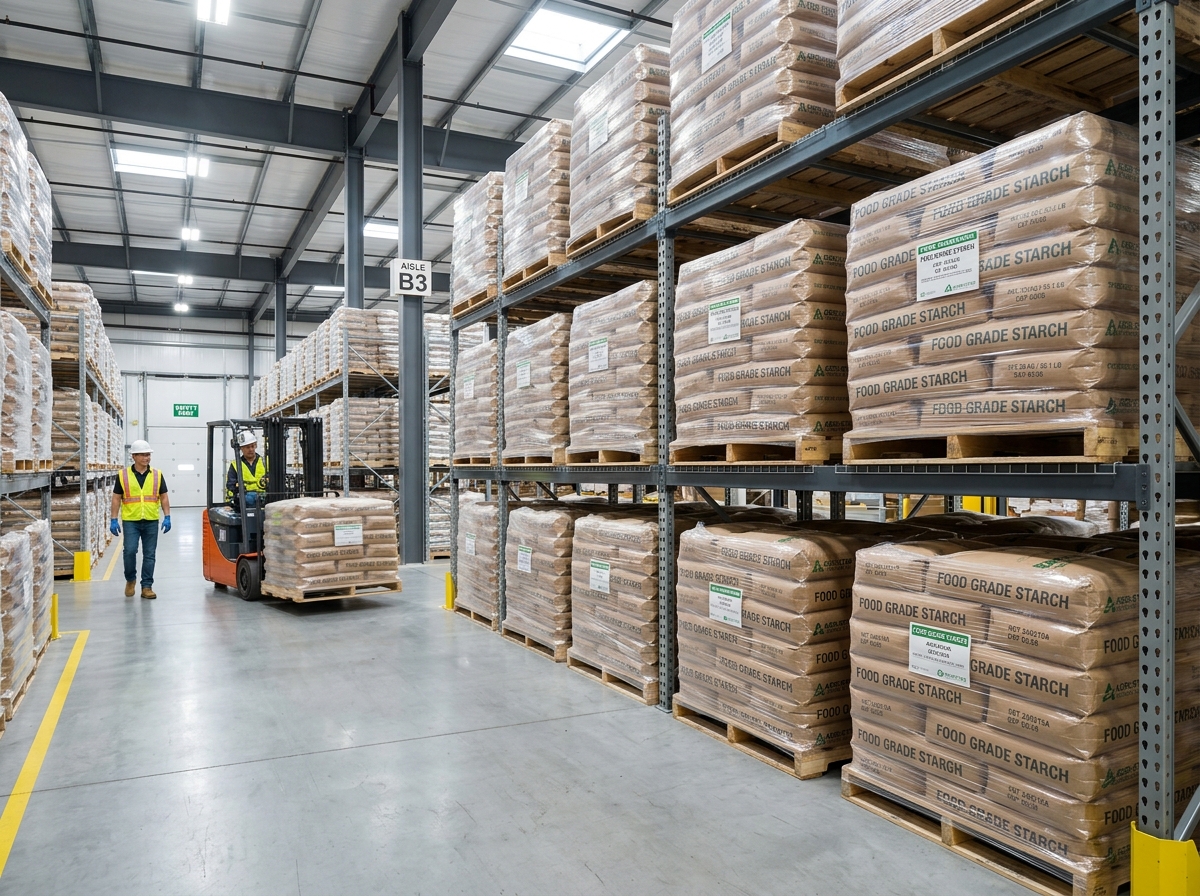
How to Choose a Starch Supplier: 7 Questions to Ask Before Your First Order
Learn how to choose a starch supplier in the United States with this procurement and QA checklist covering specifications, COA documentation, certifications, and supply reliability.
Tapioca Starch vs Tapioca Flour: Are They the Same Ingredient?
In U.S. ingredient sourcing, is there any difference between tapioca starch vs tapioca flour—and how do they differ from whole-root cassava flour?
Tapioca Starch vs Cornstarch: Viscosity, Clarity, Freeze-Thaw & Flavor Compared
Side-by-side technical comparison of tapioca starch vs cornstarch covering gelatinization temperature, paste clarity, gel strength, and freeze-thaw stability.
Tapioca Starch vs Potato Starch: Swelling Power, Viscosity & Applications
Both are grain-free root/tuber starches, but tapioca starch vs potato starch differ significantly in granule size, peak Brabender viscosity, and cold-gel firmness.
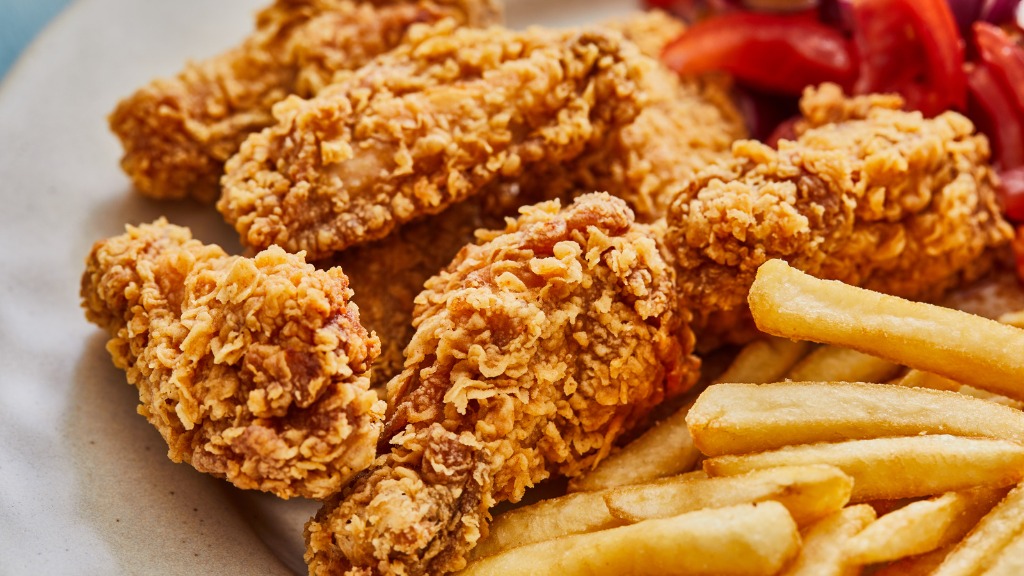
What Is Resistant Starch (RS4)? Functional Dietary Fiber for Food Manufacturers
A formulator’s guide to resistant starch types (RS1–RS4), FDA dietary fiber regulations, and how Type 4 resistant tapioca starch works in low-carb bakery and pasta.
What Is Pregelatinized Starch? Cold-Water Swelling (CWS) Starch Explained
Learn how pregelatinized (instant / cold-water swelling) starch is made and why it builds instant viscosity without cooking in dry mixes, dressings, and bakery creams.
Tapioca Syrup vs Corn Syrup: Clean-Label Sweeteners & DE Grades Compared
Why U.S. nutrition bar, confectionery, and plant-based dairy brands are switching from conventional corn syrup to USDA Organic tapioca syrup and syrup solids.
Low-Lead Cassava Flour: Heavy-Metal Testing & COA Guide for US Food Manufacturers
Consumer reports and regulatory scrutiny have made heavy-metal testing a top priority for grain-free brands. Here is how to source verified, COA-backed cassava flour.